Punch Lists and ITPs: Managing Solar Quality Before Closeout
Constructioneyerod · · 5 min read
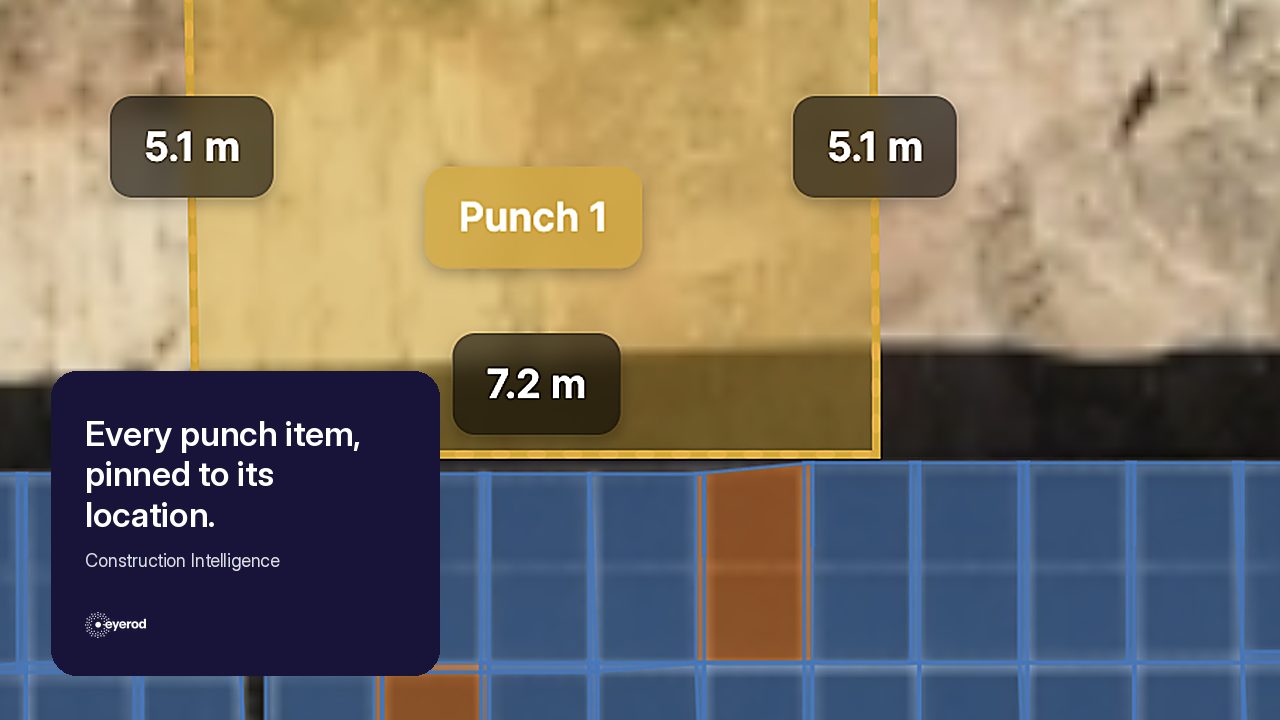
As a solar project approaches closeout, the difficult part is rarely a single defect. It is the loss of context around that defect. An open item is described vaguely, the same issue is logged twice, the wrong team is assigned, or work is said to be complete without clear closure evidence. The real closeout challenge is not simply making a list; it is managing open work together with its location, owner, and evidence from the field.
Closeout is a context problem, not just a list problem
Quality is not an activity added in the final week. It is built as work progresses through agreed acceptance criteria, inspections, testing, field records, and non-conformance management. ITPs and punch lists support two different moments in that chain: one establishes the controls that keep work moving correctly, while the other keeps remaining work visible before handover.
The same logic applies to the material arriving on site: checking modules with EL image analysis at the factory reduces the number of non-conformances that have to be managed at closeout.
What is a punch list?
A punch list records incomplete, defective, or non-compliant work that must be corrected before substantial completion, final completion, or handover. A useful item does more than say what needs fixing. It includes a precise location, photos, technical reference, responsible party, priority, target date, and closure evidence. That makes the punch list a quality record that helps everyone work from the same view of the open item, including in acceptance, payment, retainage, and handover discussions.
The ITP is set first; the punch list follows
An Inspection and Test Plan (ITP) sets out how that evidence will be created before work starts. It defines what will be inspected or tested, when the check occurs, who is responsible, and which acceptance criteria apply. Activities, drawings and standards, methods, frequency, acceptance/rejection criteria, records, responsible parties, and H/W/R points form the backbone of the plan. Quality is therefore not added to completed work; it becomes part of the decision-making sequence on site.
They do different jobs, but work together
The two tools do not do the same job, but they work together. The ITP is preventive: it asks, “Which inspection or test will show that this work was done correctly?” before the activity begins. The punch list is corrective: it asks, “What remains open before handover, who owns it, and how will closure be evidenced?” A well-run ITP prevents an avoidable late punch-list backlog; a disciplined punch list keeps open work from losing ownership.
Control points protect the sequence of work
This sequencing matters most where work will soon be difficult to revisit. A Hold Point (H) prevents the next activity from proceeding until inspection and approval are complete. A Witness Point (W) invites the relevant party to attend; work may proceed if they do not attend within the agreed notice period. A Review Point (R) requires specified documents or records to be checked. Cable bedding, trench depth, cable placement, protection, and test records may be hold points before backfill.
We covered how work that is about to be covered gets documented with drone and ground survey in solar as-built and design-to-site comparison.
A solar ITP keeps the field scope connected
A solar EPC ITP therefore goes beyond electrical tests. It can cover grading, drainage, roads and compaction; pile installation and position; tracker and module installation; DC cabling, labels and torque checks; grounding; insulation resistance, polarity, Voc and Isc; MV equipment; inverters, transformers, switchgear, commissioning, performance, and acceptance tests. IEC 62446-1 is an important framework for PV documentation, verification, and commissioning, while the final plan must always reflect the contract, specification, and manufacturer requirements.
Drones do not replace tests; they connect visible work to the map
A drone cannot replace torque, insulation-resistance, polarity, or continuity testing. It can provide the wider site context for visible work: pile and tracker alignment, roads, drainage, grading, open trenches, and incomplete zones can be reviewed across the site rather than through isolated photos. When a punch item is linked on an orthomosaic to a coordinate, asset, or work package, teams can follow not only what must be done, but where it is, who owns it, and when it was closed. Before-and-after imagery strengthens closure evidence.
A punch list without location quickly loses control
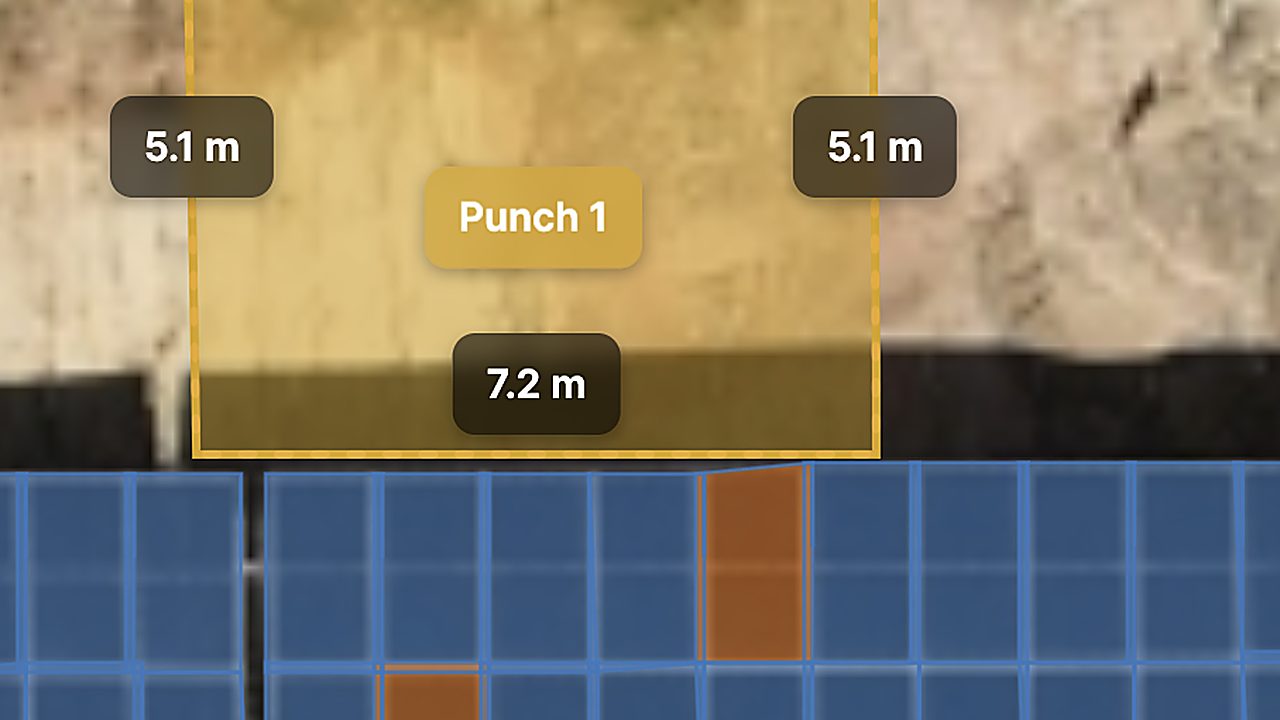
Location is often what spreadsheet punch lists lose first. Vague descriptions create duplicate records, unclear ownership, missed work, and closure disputes. A location-based record ties every finding to a tracker table, pile group, cable corridor, or equipment asset. Teams can see where the issue sits, who is responsible, whether corrective work is actually complete, and whether the same problem is repeating in a construction zone.
Not every open item is an NCR
Not every open item is an NCR. An NCR formally records a deviation from a drawing, specification, standard, or acceptance criterion. Safety, structural, electrical, performance, or contractual issues may require formal non-conformance management. When ITP records, disciplined field checks, location-based imagery, and punch-list closure are used together, teams can distinguish more clearly between a routine correction and an issue that requires a formal process.
Closeout with eyerod Construction Intelligence
eyerod Construction Intelligence brings this closeout information into one working environment. Punch items can be linked to the relevant tracker, pile group, cable corridor, or equipment asset, with their orthomosaic location, site photo, responsible party, target date, and closure evidence visible in the same record. This keeps quality records from ITP hold and witness points connected to site reality, helps teams prioritize open work, and provides a more traceable closeout package for owner or engineer verification.
You can see how punch list and ITP records work on the map in eyerod Solutions, and how the same data feeds progress reporting in how to track solar construction progress with drones.
Quick answers
What is a punch list? A location-based record of incomplete, defective, or non-compliant work that must be closed before handover.
What is an ITP? An Inspection and Test Plan that defines inspections, tests, acceptance, and records before work starts.
Can a drone replace an ITP? No. It supports ITP and punch-list workflows by documenting visible construction in a location-aware way.
What is a hold point? A mandatory inspection stage that must be accepted before work proceeds.
How does a punch item differ from an NCR? A punch item tracks work left open before handover; an NCR formally records a deviation from a specification, standard, or acceptance criterion.
To discuss running your closeout process on the map, get in touch with the eyerod team.
How Drone Thermal Inspection Works - and When Results Can Be Trusted